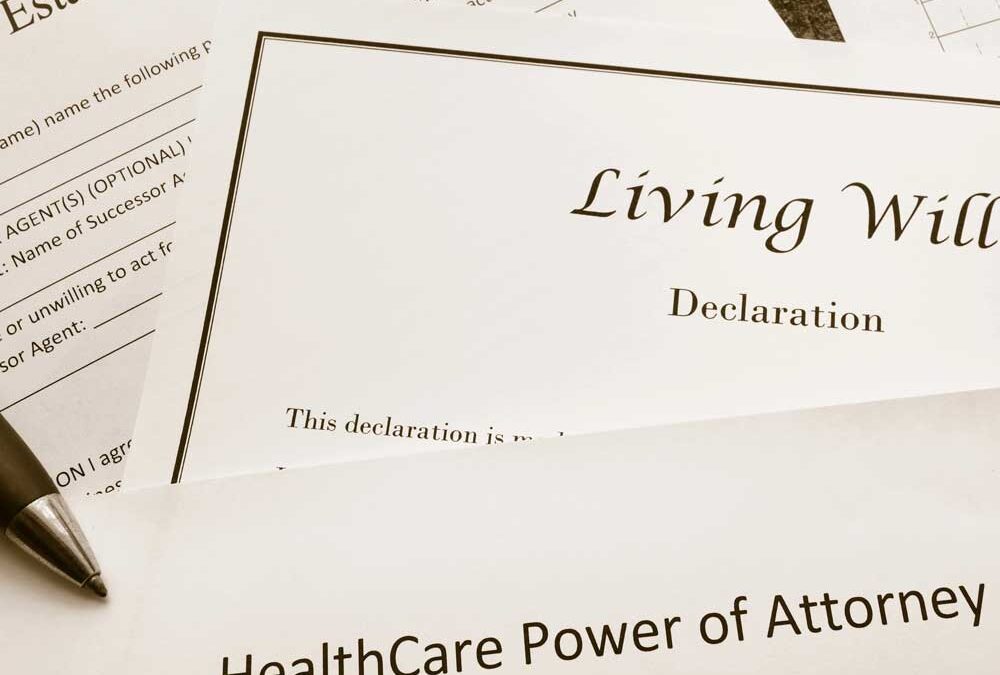
 “If I have a trust, I don’t need a will.” This is a common misconception across California, including in Santa Rosa and the greater Sonoma County area. While a trust is a powerful tool to avoid probate and manage assets privately, it does not do everything.
A trust cannot name guardians for minor children, express personal wishes, or control assets not properly transferred into it. This is where a will provides critical support. In the conversation around will vs trust in California, it is not a matter of choosing one, but recognizing how both serve distinct and complementary purposes.
A trust offers control, privacy, and efficiency, while a will fills in the missing pieces with clarity and direction. Together, they form a strong foundation for a comprehensive estate plan. In California’s legal landscape, using both tools thoughtfully helps protect your loved ones, carry out your wishes, and preserve your legacy with lasting peace of mind.
Understanding Wills and Trusts in California
When doing estate planning in Santa Rosa, California, you should understand the difference between a will and a trust and how each functions.
A will is a legal document that outlines your wishes for distributing your assets and handling other personal matters after death. It only takes effect once you, the testator, pass away.
Wills have specific procedures to follow for their valid execution. Generally, when a will is the sole testamentary instrument (as opposed to a trust and a will) it must go through probate. Probate begins when the executor files a petition with the court and can take several months or even years to complete.
With a will, you can name who will receive specific assets. However, beneficiaries must wait until the probate court authorizes distribution – usually the final step – before receiving their inheritance. In addition, wills become public record, which means others could access its contents, including the names of your beneficiaries and details of your estate.
In contrast, a trust is a legal instrument setting forth an arrangement wherein you (the settlor, grantor, or trustor) transfer ownership of your assets to a trustee, to be managed and distributed according to the terms of the trust instrument. In most cases, the settlor serves as the initial trustee.
A revocable trust, sometimes called a living trust, allows you to manage your assets during your lifetime and control when and how they are distributed. Further, a revocable trust can be amended as needed throughout the settlor’s lifetime. Trusts avoid probate, are significantly less expensive to administer than probate, and remain private, known only to you, your trustee, and your beneficiaries.
Why a Will Is Still Important Even With a Trust
Even with a living trust, you still need a will. A trust controls only those assets properly transferred to it. Property or accounts outside of the trust remain part of your individual estate. Without a will, such property would be distributed according to California intestate succession laws.
That distribution might not reflect your actual wishes. A pour-over will addresses this by naming your living trust as the beneficiary of assets not formally placed into it. These assets are transferred into the trust after your death – they pour-over into the trust.
While assets held in the trust typically enjoy probate avoidance, depending on the value of such assets, a petition to the probate court may still be required to transfer such assets to the trust.
For deaths on or after April 1, 2025, personal property valued under $208,850 may qualify for transfer using a small estate affidavit. Also, a primary residence valued under $750,000 may be eligible under simplified succession procedures.
If your trust is not fully funded because assets are overlooked, not retitled, or some strategy specific to your situation leaves property outside of your trust, a will makes sure that those assets are distributed according to the trust’s terms. Without this backup, these assets could be distributed contrary to your intentions.
Common Mistakes When Relying Only on a Trust
A living trust alone can give a false sense of security. Without proper funding, updates, and supporting documents, it may not protect your assets or loved ones.
Not Funding the Trust Properly
Creating a living trust alone doesn’t protect your assets. You need to change the titles of your assets, like your home, bank accounts, and investments, so the trust owns them. This generally requires executing a new deed, and opening new accounts under the trust, then transferring from the old accounts to the newly titled accounts.
Overlooking Newly Acquired Assets That Aren’t Titled to the Trust
When you buy a new home, open an investment account, or receive an inheritance, these assets might be unintentionally left out if you do not formally transfer them into the trust.
Misunderstanding That Trusts Alone Don’t Designate Guardianship for Minors
A trust manages assets, not guardianship of the person. A separate document known as a “Nomination of Guardian” is used – not a trust. Upon the death or incapacity of a minor child’s parents, the court will approve a guardian for the child. A Nomination of Guardian informs the court who the parent wished for such role. Under California Probate Code (CPC) Section 1510, the court has an independent duty to confirm the fitness of a proposed guardian. Still, the parent’s Nomination of Guardian is highly persuasive.
Working with a qualified Santa Rosa estate planning attorney can help you avoid common pitfalls. A qualified attorney also helps lay the groundwork so that your trust effectively serves its intended purpose, and other aspects of your life and estate are appropriately addressed.
Benefits of Layered Estate Planning
Using a will alongside a trust is not about choosing one over the other. It is about creating a layered strategy that addresses every part of your estate planning needs.
A living trust is especially useful for managing and protecting high-value or sensitive assets like real estate, significant investments, or business interests. It allows you to avoid probate, maintain privacy, and transfer assets efficiently. A will, on the other hand, is a practical and affordable way to cover personal belongings and smaller assets.
Your will can express end-of-life wishes. Meanwhile, your trust can hold the assets you want to pass on privately and outside of court oversight. The will acts as a backup, covering anything not transferred into the trust, whether by accident or intention. This dual approach helps avoid gaps and brings peace of mind.
Estate planning is not one-size-fits-all. Each person’s goals, family dynamics, and financial situation are different. That is why seeking guidance from an experienced estate planning attorney in Santa Rosa is invaluable.
A local expert can help you build a personalized plan that follows California law and protects your wishes and loved ones.
When to Update Your Will and Trust
Major life events often require timely updates to your estate plan so that your will and trust reflect your current needs, relationships, and financial goals.
Marriage or Divorce
When you marry, it is essential to update your estate plan. Generally, one would include their spouse as a beneficiary in their trust. On the other hand, there are plenty of circumstances where one would not include a new spouse in a trust. The point is that if you do not update an estate plan after marriage, California law will impose its default provisions. You may also need to update power of attorney documents, health care directives, and revise life insurance policies.
Divorce also brings important changes. Under CPC Section 6122, a finalized divorce automatically removes your ex-spouse as a beneficiary from wills, revocable trusts, and certain accounts. However, you must actively name new beneficiaries and executors.
New Children
If a child joins your family through birth or adoption, it may be time to update your will, establish a trust, and name a guardian.
Property Purchases
Purchasing a new home or investment property should be reflected in your estate plan. Leaving these assets out could result in probate or distribution to unintended beneficiaries.
A will expresses your voice, and a trust carries your vision. Alone, each leaves room for uncertainty, but together they offer the safest approach to preserving your legacy. Schedule a consultation with a Santa Rosa estate planning attorney to create a plan that brings clarity, confidence, and protection for everything and everyone you care about.